

Single-origin chocolate is made from cacao grown in one place. That place can be a whole country or a single farm, as the French chocolate maker Michel Cluizel puts it. So check how specific the label gets.

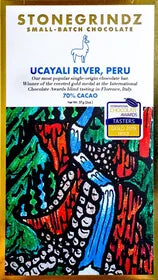
We make three: Ucayali River, Peru 70%; Ancient Ecuador 85%; and Ambanja, Madagascar 70%. Each one has three ingredients: cacao beans from that one place, organic cane sugar and organic cacao butter.
On this page: Single estate · Single origin vs blend · Does origin change flavor? · Fine-flavor cacao · Our three bars · Why it costs more · Bean-to-bar · Reading the label
What’s the difference between single origin and single estate?
Single estate is the narrowest kind of single origin: every bean comes from one farm or plantation (Michel Cluizel). “Ecuador” on a wrapper tells you the country. “Hacienda Victoria, Cerecita, Ecuador” tells you the farm, and that’s where the beans for our Ancient Ecuador 85% grow.

Single origin vs blend: which is better?
Neither is automatically better. A blend mixes beans from different places, usually to get the same house flavor every time. A single origin lets one place’s beans taste like themselves, quirks and all.

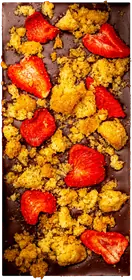
We make both. Our three single-origin bars show off their beans, and two of our flavored bars, Almond Butter & Black Lava Salt 80% and Bourbon Pecan & Dark Cherry 70%, start from a half-and-half blend of Peruvian and Ecuadorian cacao.
Does the origin really change the flavor?
Yes, but where the beans grew isn’t the only thing. Three things shape the flavor:

- Different trees taste different. Ecuador’s native Nacional variety is known for a floral flavor that only Nacional beans produce. The cacao trade calls that flavor “Arriba” (Loor Solorzano and colleagues, 2012).
- Farmers build flavor before we ever see the beans. Fermenting and drying happen on the farm, and they shape how the chocolate will taste. The beans in our Ambanja bar are fermented in a way that gives the chocolate its citrus note. There’s more on that step in What is cacao?
- The maker’s roast matters too. In a 2023 study of unsweetened (100%) chocolate made from Ghanaian, Peruvian and Madagascan beans, longer, hotter roasts changed the chocolate’s aroma, and how they changed it depended on where the beans grew (Wiedemer and colleagues). We roast each origin differently: our Peru and Madagascar beans get a very light roast, and our Ancient Ecuador a medium one.

What is fine-flavor cacao?
Fine-flavor cacao is the kind grown and sold for its taste rather than in bulk. The International Cocoa Organization (ICCO) keeps a list of countries whose exports count as fine flavor, and what share of each country’s exports qualifies. Under the new International Cocoa Agreement, which took effect October 1, 2026, the list counts all of Madagascar’s cacao exports as fine flavor, and 75% each of Ecuador’s and Peru’s. Those happen to be the three places our single-origin beans come from. The list may change: the ICCO plans to review it at its first meeting under the new agreement.
What do our three single-origin bars taste like?
We roast each origin to suit its beans, and every bar gets what Steven calls a heavy conche: extra time in the stone grinder, often a day or two longer than usual, so more of the sharp, sour notes left from fermenting can evaporate. How long depends on the origin. For each bar below you’ll find how it tastes, where its beans come from, and how it did when judges tasted it blind at the International Chocolate Awards:
- Ucayali River, Peru 70%: mocha, cedar, dark cherry, caramel and anise. The beans grow along the Ucayali River in Peru, where the cacao pods are purple. Judges at the awards’ blind tasting in Florence, Italy, gave it a Tasters’ Gold, and it also won a silver in 2018 and two bronzes in 2019.
- Ancient Ecuador 85%: chocolate ice cream and roasted peanut. The beans are heirloom Nacional from Hacienda Victoria in Ecuador. It won a silver in the awards’ Americas competition, for chocolate makers in North and South America, in 2018.
- Ambanja, Madagascar 70%: citrus, dulce de leche and shortbread cookie. Ambanja is a town in northern Madagascar, and the beans are farmed fair-trade and organically. Our current bars use the 2025 harvest. It won silvers in the Americas competition in 2021 and 2023.

Taste them side by side, slowly, and the differences jump out, the same way two coffees do; our page on what 70%, bittersweet and semisweet mean explains why bars at the same percentage can taste so different. Our guide to tasting chocolate like a judge shows how.
Why does single-origin chocolate cost more?
It starts with the beans. We pay $7.70 to more than $10 a pound for our cacao. That’s more than four times the Fairtrade minimum price, the lowest price Fairtrade lets buyers pay farmers.
Then there’s how we make it: just those three ingredients, nothing else. Our tiny team roasts every batch here in Arizona and grinds it on granite stones for 72 hours, sometimes up to four days, in small runs, so each bar costs more to make than a factory bar. Our chocolate has won 48 awards from judges who taste it blind.
Is single origin the same as bean-to-bar?
No. Single origin is about where the beans grew. Bean-to-bar means the maker turned the beans into chocolate themselves, instead of melting down chocolate someone else made. We do both: we roast each origin’s beans, then grind and conche them here in Arizona (how chocolate is made walks through each step).
How do you read a single-origin label?
The more specific, the better. A country is a start; a region or farm name tells you much more. Tasting notes, a harvest year and roast details are good signs too. Our Ambanja listing, for example, names its 2025 harvest.

Keep reading: How to taste chocolate like a judge · What is cacao? · The Cacao Library
Sources
- Chocolat Michel Cluizel, “Single-Origin Chocolate: What It Means, Why It Matters, and the Difference Between Single Origin and Single Estate,” Aug 19, 2026, read Oct 31, 2026.
- Loor Solorzano RG, et al., “Insight into the Wild Origin, Migration and Domestication History of the Fine Flavour Nacional Theobroma cacao L. Variety from Ecuador,” PLoS ONE, 2012, read Oct 31, 2026.
- Wiedemer, McClure et al., “Roasting and Cacao Origin Affect the Formation of Volatile Organic Sulfur Compounds in 100% Chocolate,” Molecules, 2023, read Nov 1, 2026.
- International Cocoa Organization, International Cocoa Agreement, 2026, Annex C and Article 39, read Nov 1, 2026.
- Our product listings: Ucayali River, Peru 70%; Ancient Ecuador 85%; Ambanja, Madagascar 70%; Almond Butter & Black Lava Salt 80%; Bourbon Pecan & Dark Cherry 70%; and our cacao prices and award record, read Nov 1, 2026.


